Diffusers, essential-oil hardware, candle-making (non-medical claims).

By Jordan Nolan · Senior Editor
Published June 1, 2026
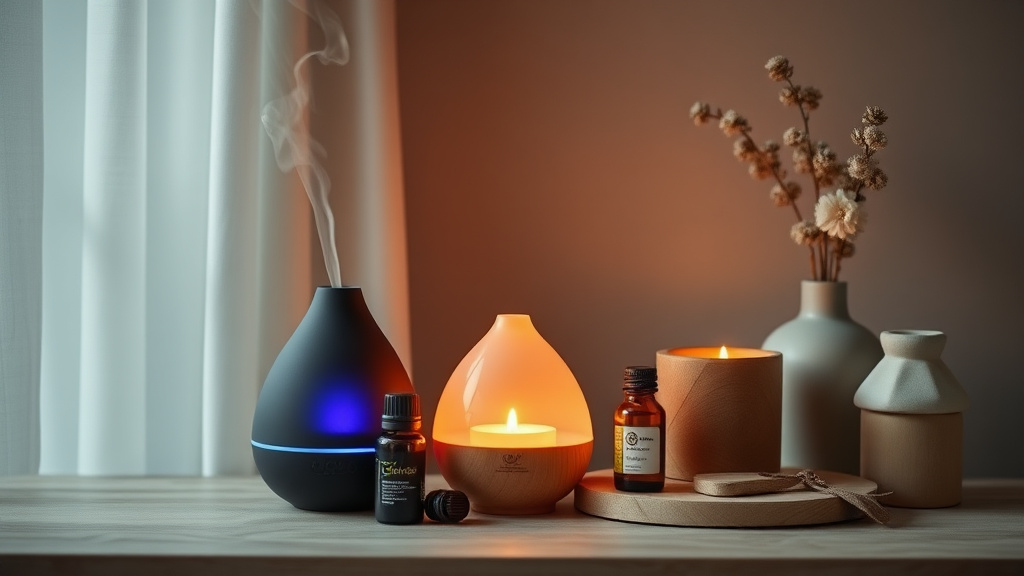
Your Complete Guide to Diffusers, Essential-Oil Hardware, and Candle Making
If you’re like me, creating a cozy, balanced atmosphere through scent can be a daily ritual or a weekend passion project. Whether it’s the soft glow of a soy candle, the subtle mist of a diffuser, or experimenting with essential-oil accessories, these tools help us enhance our spaces with warmth and personality. Over the years, I’ve tested numerous diffusers, essential-oil hardware, and candle-making kits. Here’s what I’ve learned to help you get started — or elevate your current set-up — in the most practical, enjoyable way.
Why Choose Diffusers and Essential-Oil Hardware?
Diffusers and essential-oil hardware create ambient scent without the flame hazard of candles, which makes them great for bedrooms, offices, or anywhere you want consistent, gentle fragrance. The two main types I recommend are ultrasonic diffusers and nebulizers, each with unique benefits.
Ultrasonic diffusers use water vibrations to disperse a fine mist of water and essential oils, providing humidity as well as aroma. For example, the URPOWER Ultrasonic Essential Oil Diffuser balances mist output and runtime, so it’s perfect if you want a humidifier and diffuser combo.
Nebulizers, like the Organic Aromas Nebulizing Diffuser, don’t use water—they atomize pure essential oils for a more potent scent experience without heat or water. I find this type ideal for smaller spaces or when you want a scent that really fills the room quickly but in short bursts.
The hardware side encompasses everything from reed diffusers and ceramic diffusers to personal wearable diffusers. For instance, a simple but elegant reed diffuser like the Nest Reed Diffuser adds subtle fragrance and decor simultaneously. Meanwhile, personal diffusers can be clipped onto bags or worn as jewelry for scent on the go.
Essential Oils: Choosing the Right Ones
Once you have your diffuser or hardware, the next step is selecting essential oils. While everyone’s preference varies, some popular, versatile options include lavender for its calming floral notes, eucalyptus for a fresh, clean breeze, and citrus blends for uplifting energy.
Always make sure to buy high-quality, pure essential oils. Brands like Plant Therapy and doTERRA are reputable for providing essential oils that haven’t been diluted or mixed with synthetic fragrances.
When diffusing oils, less is more. I usually add about 3–5 drops of oil per 100 mL of water in an ultrasonic diffuser. For nebulizers, fewer drops are needed because there’s no dilution. This helps to avoid scent fatigue and keeps the room from feeling overwhelming.
Candle Making Basics: Why Make Your Own?
Crafting your own candles is a wonderful way to combine creativity, aromatherapy, and the warm ambiance only candlelight can provide. The DIY approach gives you control over fragrance intensity, wax type, and even the size and shape of each candle.
I prefer soy wax for my homemade candles. It burns cleaner and generally lasts longer than paraffin. Starter kits like the Candle Making Kit by CraftZee come with everything you need — soy wax, fragrance oils, wicks, and containers — which is perfect for beginners.
Fragrance oils designed for candles are best to ensure they mix well with wax and burn safely. You can experiment with essential oils too, but be sure to research proper blending ratios carefully since not all oils are suitable for candle use. For example, citrus oils are often tricky because of their volatility with heat.
Comparing Diffusers, Essential-Oil Hardware, and Candles
Different scent tools serve different purposes, and choosing the right one depends on your space, lifestyle, and scent preferences. Here’s a handy table I’ve put together after testing that breaks down the key aspects:
| Feature | Ultrasonic Diffuser | Nebulizing Diffuser | Reed Diffuser | Candle |
|---|---|---|---|---|
| Scent Intensity | Moderate, adjustable mist | Strong, pure essential oil bursts | Subtle, constant | Strong, controlled by wick and wax |
| Runtime | 4–8 hours per fill | 2–3 hours per fill | Weeks, low maintenance | Few hours per candle |
| Ambient Effect | Adds humidity, soft mist | No humidity, pure oil aroma | Decorative, continuous scent | Warm light + scent |
| Safety Considerations | Avoid water spills, clean regularly | Pure oil exposure; ventilation | Low risk, but replace reeds | Fire hazard; requires supervision |
| Ease of Use | Easy, needs refilling and cleaning | Requires careful handling | Very easy | Requires waxing, trimming wick |
| Cost | Mid-range (~$30–$60) | Higher-end (~$80–$150) | Low to mid (~$20–$40) | Variable (starter kits $20–$50) |
| Ideal For | Bedrooms, offices, dry climates | Small to medium rooms, quick scent | Decoration, subtle scent | Cozy ambiance, evenings, gifts |
By testing different setups in my home and office, I’ve found that having at least one ultrasonic diffuser and a couple of candles creates a lovely balance. Reed diffusers work well in hallways or bathrooms where you want a low-maintenance scent.
Tips for Safe and Enjoyable Use
Here are some practical tips based on my experience to get the best results safely and easily:
-
Regularly clean your diffuser: Especially true for ultrasonic models. I recommend wiping the reservoir once a week with a damp cloth and using vinegar solution monthly to prevent buildup.
-
Use high-quality oils: This avoids wax residue or oils that can clog hardware.
-
Do not overfill your diffuser: Stick to recommended water and oil amounts to avoid leaks or overwhelming fragrances.
-
Keep candles away from drafts and flammable materials: Always place on stable surfaces and never leave lit candles unattended.
-
Test new fragrance blends in small batches: When candle-making, small test candles can help you fine-tune scent strength and scent throw.
-
Use proper wicks: If making candles, match wick size to container size. Too large and the candle burns too hot; too small and the candle tunnel burns unevenly.
My Favorite Diffuser & Candle-Making Starter Products
-
For easy-to-use ultrasonic diffusion, I always come back to the InnoGear Essential Oil Diffuser. It’s quiet, offers multiple mist modes, and blends well in most spaces.
-
The Organic Aromas Nebulizing Diffuser is my go-to for pure, strong essential-oil use with no water, great when I want an intense scent boost before meditation or yoga.
-
For candle-making, the CraftZee Soy Candle Making Kit is a fantastic starter pack. The materials are good quality, and the instructions are beginner-friendly.
-
Finally, I always recommend pairing your diffusers and candles with curated high-purity essential oils. Plant Therapy’s Lavender Essential Oil is a reliable choice for day-to-day relaxation.
FAQ
Can I use essential oils from any brand in my diffuser or candle?
While many essential oils are safe for diffusers, not all are suitable for candles. I recommend using fragrance oils specifically made for candle-making because essential oils can have chemical properties that lead to poor burning or soot. Always check the supplier’s guidance for intended use.
How often should I replace reed diffuser sticks?
Reed sticks generally last 4–6 weeks. Flip them every 1–2 weeks to refresh scent release. Replace them once the fragrance diminishes noticeably or they become saturated and clogged.
What’s the difference between essential oils and fragrance oils?
Essential oils come naturally from plants and usually have therapeutic aromas. Fragrance oils are often synthetic or blended oils designed for a specific scent and greater stability in candles or diffusers. Both have their place depending on your desired result.
Is it safe to diffuse essential oils around pets or children?
Some essential oils can be irritating or harmful to pets and young children. Eucalyptus, peppermint, and tea tree oils are common examples to use cautiously. Always diffuse in well-ventilated areas and consult reliable resources specific to your household.
How do I prevent candles from tunneling?
Tunneling happens when the wick burns a narrow hole instead of melting wax evenly. To avoid this, make sure your wick matches your candle container’s diameter and let the candle burn long enough each time (usually 2–3 hours on the first burn) to melt the wax pool to the edges.
I hope this guide helps you confidently explore the beautiful world of diffusers, essential-oil hardware, and candle-making. With a bit of care and the right tools, you can create soothing, inviting scents that make your home, workspace, or meditation area a little more special every day.