Best Diffusers, essential-oil hardware, candle-making (non-medical claims). products and setups (2026 guide)

By Jordan Nolan · Senior Editor
Published June 1, 2026
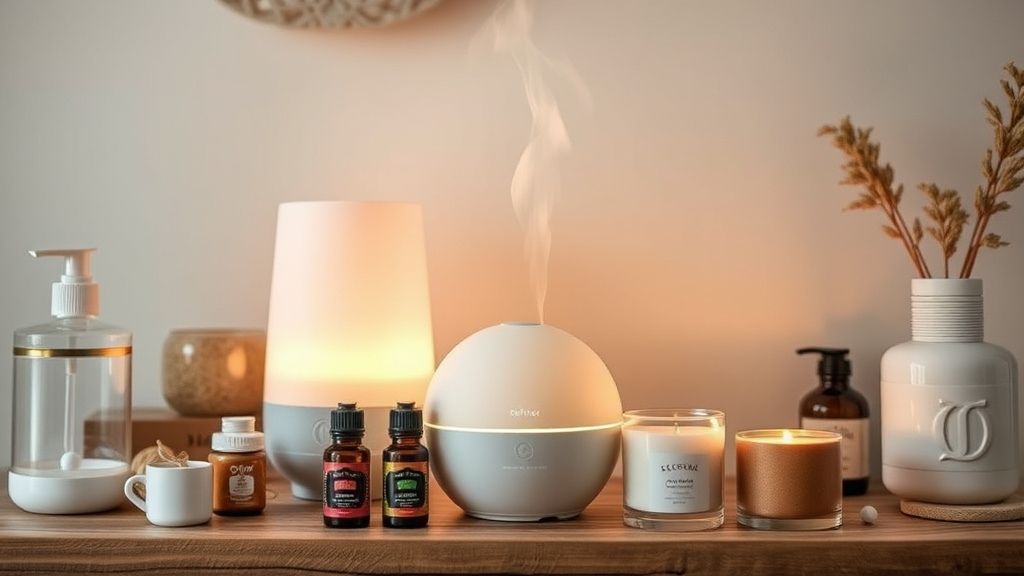
Best Diffusers, Essential-Oil Hardware, and Candle-Making Products & Setups (2026 Guide)
Welcome! I’m Jordan, your go-to guide for exploring the cozy, fragrant worlds of diffusers, essential oils, and candle-making. Over the years, I’ve tested dozens of products, from ultrasonic diffusers to soy wax candle kits, always with a focus on quality, safety, and creating an inviting home atmosphere. Today’s guide aims to help you sift through the clutter and find the best tools and setups without making medical claims — simply practical, well-made options to elevate your wellness routine and ambiance.
Whether you’re a diffuser beginner, an essential oil enthusiast, or a candle crafter looking to upgrade your supplies, I’ve got you covered. Let’s dive into what matters most in 2026.
Why Investing in Quality Diffuser and Candle-Making Gear Matters
If you’ve tried a cheap diffuser or candle kit before, you might have noticed uneven scent distribution, early equipment failure, or wax that burns too quickly. I’ve been there, and it can be frustrating and wasteful. High-quality diffusers can run quietly for hours, releasing just the right amount of essential oil into your space without overwhelming it or wasting your precious oils. Similarly, premium candle-making kits give you better wax blends, stronger wicks, and professional results right at home.
The right equipment also supports safety — overheating or improper parts can cause hazards. Plus, eco-conscious choices like ultrasonic diffusers (which use water and vibrations, not heat) and soy wax candles (which are cleaner burning) help you craft a more sustainable routine.
Top Diffusers in 2026: Ultrasonic, Nebulizing, and Heat-Based
I’ve tested ultrasonic, nebulizing, and heat diffusers across price points. Each type has unique benefits, and the best choice depends on your space and preferences.
| Diffuser Type | How it Works | Best For | Pros | Cons | My Top Pick (ASIN) |
|---|---|---|---|---|---|
| Ultrasonic | Vibrates water + oils to mist | Quiet rooms, long runtimes | Quiet, safe (no heat), affordable | Needs distilled water | InnoGear Ultrasonic Diffuser B00V9JP8EE |
| Nebulizing | Atomizes pure oil, no water | Intense scent, short bursts | Pure oil scent, no dilution | Uses oil faster, louder | Organic Aromas Nebulizing Diffuser B07M9B5YJL |
| Heat-Based | Gently warms oils/wax | Small rooms, ambiance | Simple, inexpensive | Can alter oil properties | Aromis Heat Diffuser B07GH1K7PJ |
Ultrasonic Diffusers: Everyday Versatility
Ultrasonic diffusers remain my top recommendation for a gentle, continuous scent experience. The InnoGear Ultrasonic Diffuser is a longtime favorite of mine because it offers adjustable mist modes, a built-in nightlight, and auto shut-off. It’s perfect for beginners and seasoned users alike.
When using ultrasonic diffusers, always opt for distilled water to prevent mineral buildup that can affect performance.
Nebulizing Diffusers: Intense Aroma Experience
If you want strong aromatherapy effects or to scent larger rooms quickly, nebulizing diffusers are the way to go. They atomize pure essential oil without water dilution, so the scent is intensely vibrant. My go-to is the Organic Aromas Nebulizing Diffuser because it’s beautifully designed and easy to clean—a common pain point for these models.
Nebulizers do use oil faster and tend to be louder, but they’re great for quick bursts of fragrance during meditation or focused relaxation.
Heat-Based Diffusers: A Budget-Friendly Option
Heat diffusers like the Aromis Heat Diffuser gently warm your essential oils using a tealight or electric heat element. This method is silent and straightforward but changes some oil properties, so it’s better for casual scenting rather than therapeutic use.
Essential Oil Accessories: Bottles, Funnels, and Blending Tools
Beyond diffusers, having the right accessories can improve your experience and safety.
- Glass Dropper Bottles: For blending or diluting oils, I recommend amber or cobalt blue bottles to protect oils from light degradation. Brands like Viva Naturals Glass Dropper Bottles offer affordable, well-sealed options.
- Pipettes and Funnels: These small tools help transfer oils without mess or waste.
- Essential Oil Storage Cases: Keeping your oils upright and in dark, cool places extends their shelf life. Look for compact cases like the Hari Designer Essential Oil Organizer.
I store all of my oils carefully to maintain quality and minimize accidental spills, which can degrade oils quickly if exposed to air.
Candle-Making: Kits, Wax Types, and Tools for Beginners to Pros
Making your own candles is one of my favorite ways to personalize home fragrance and add a handmade touch to gifts or décor. The variety of candle wax types — soy, beeswax, paraffin, coconut — can be overwhelming. I prefer soy wax for its eco-friendliness and cleaner burn, but beeswax offers a lovely natural aroma.
Candle-Making Starter Kits
If you’re just getting started, a kit like the CraftZee Soy Candle Making Kit includes soy wax, wicks, fragrances, dyes, and pouring pots — everything you need except the heat source. It’s great for learning candle basics without having to buy dozens of individual supplies.
Wax Types: Pros and Cons
| Wax Type | Characteristics | Best For | Notes |
|---|---|---|---|
| Soy Wax | Renewable, clean burning | Eco-conscious crafters | Sometimes needs additives for scent throw |
| Beeswax | Natural honey scent, longer burn | Natural, minimalist candles | Usually pricier |
| Paraffin | Strong scent throw, inexpensive | Budget-friendly batch making | Petroleum-based |
| Coconut | Newer, creamy texture | Blending with soy or beeswax | Often blended for best results |
Essential Tools for Candle Making
- Digital Thermometer: Wax temperature control is crucial—too hot, and your fragrance burns off; too cool, and your candles can crack or not set properly. The THERMOPro TP03 Digital Cooking Thermometer is handy for this.
- Pouring Pot: A dedicated pouring pot, preferably stainless steel, makes melting and pouring easier.
- Wick Holders: Keep your wicks centered with wick bars or clips; I use reusable wick centering tools like these from Candle Science.
How to Choose the Best Setup for You: Checklist
Selecting the right diffuser, oils, or candle-making tools often depends on your environment, budget, and goals. Here’s a quick self-checklist I use to narrow down options:
| Criteria | What to Consider | Example Product Recommendations |
|---|---|---|
| Room Size & Use | Larger rooms? Small bedrooms or offices? | InnoGear Ultrasonic Diffuser for smaller rooms; Organic Aromas Nebulizing Diffuser for large spaces |
| Noise Sensitivity | Do you want ultra-quiet operation? | Ultrasonic diffusers like InnoGear |
| Frequency of Use | Daily or occasional? | Durable models with auto shut-off, e.g. InnoGear |
| Oil Usage Economy | Want to stretch your oils? | Ultrasonic or heat diffusers |
| Environmental Impact | Preference for eco-friendly materials | Soy wax kits, glass storage bottles |
| Crafting Skill Level | Beginner, intermediate, or advanced candle maker | Starter kits like Craftzee or advanced kits for experienced users |
| Aesthetic & Design | Modern, rustic, sleek | Organic Aromas for natural wood look, others for minimalism |
Use this framework to prioritize what matters most to you. If you’re unsure, feel free to start with a versatile ultrasonic diffuser and a soy candle kit. These give you quality without needing complex setup or maintenance.
My Favorite Diffuser and Candle-Making Setup for 2026
For personal and guest spaces in 2026, my go-to setup includes:
- Diffuser: The InnoGear Ultrasonic Diffuser balances quiet operation, beautiful design, and reliable performance.
- Essential Oils: I blend my own mixes but keep staples like lavender, peppermint, and eucalyptus on hand — all stored in the Viva Naturals Glass Dropper Bottles to preserve freshness.
- Candle Kit: The CraftZee Soy Candle Making Kit gives you everything to craft your personalized candles, plus the tools like a THERMOPro TP03 Thermometer ensure precise control.
This combination works whether you want a peaceful evening wind-down or a lively gathering setting.
FAQ: Diffusers, Oils, and Candle-Making Essentials
Q1: How often should I clean my diffuser?
I clean mine every 1–2 weeks or after every 10 uses to prevent oil buildup and bacterial growth. A quick wipe with vinegar works well for ultrasonic models.
Q2: Can I use any essential oil in my diffuser?
Most essential oils are safe, but avoid thick oils like sandalwood in ultrasonic diffusers as they can clog the nebulizer. Always check your model’s guidelines.
Q3: What’s the best wick size for soy candles?
Generally, wider candles need thicker wicks for an even burn. Starter kits often include pre-cut wicks matched to common jar sizes — following those recommendations gives the best results.
Q4: Are soy wax candles safe for people with allergies?
Soy wax produces less soot than paraffin, but fragrance and dyes can trigger sensitivities. Opt for unscented or natural essential oils if allergies are a concern.
Q5: How do I make essential oil blends for candle-making?
Start with 2–5 oils in small proportions, test melting and scent throw before scaling up. Some oils are stronger, so balance is key.
I hope this guide helps clarify the best products and setups for your diffuser and candle-making journey this year. I’m always happy to update these recommendations as new products emerge or technology evolves — so stay tuned! Meanwhile, happy crafting and scenting.