Diffusers, essential-oil hardware, candle-making (non-medical claims).: budget vs premium — what actually matters

By Jordan Nolan · Senior Editor
Published June 1, 2026
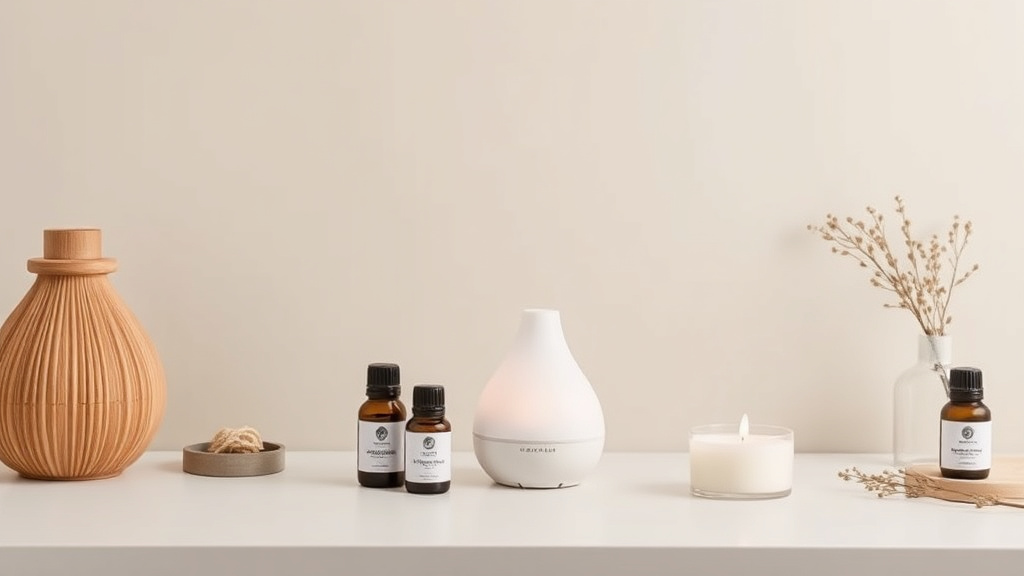
Diffusers, Essential-Oil Hardware, and Candle-Making: Budget vs Premium — What Actually Matters
When I first dipped my toes into the world of essential oils, diffusers, and candle-making, I remember feeling overwhelmed by the sheer variety of hardware on the market. From under-$20 plastic diffusers to those luxe ultrasonic designs that cost two or three times more, which do you actually need for a satisfying aromatherapy or candle-making experience? And in candle-making itself, do you have to invest in premium equipment, or can budget tools deliver equally good results?
Over years of testing, trial, and error, and after burning plenty of candles and diffusing endless essential-oil blends, I’ve learned what truly makes a difference and when it’s okay to save. Here, I’ll break down which hardware features impact your aromatherapy and candle-making outcomes most, what you can absolutely skimp on, and—most importantly—how to avoid wasting money on unnecessary upgrades.
Understanding Your Essential-Oil Hardware Options
Whether we’re talking diffusers, aroma humidifiers, or candle-making molds and thermometers, the range is huge. At the basics, you’ll find affordable ultrasonic diffusers like the InnoGear Upgraded Diffuser that tick all the right boxes for beginners—quiet, easy to clean, and with simple timers. On the premium end, units like the Vitruvi Stone Diffuser or the Saje Aroma Om Deluxe offer a blend of aesthetic design, curated scent delivery, and longevity.
In candle-making, you might compare a basic pouring pitcher versus a precision stainless-steel vessel with a spout designed for drip-free pouring. Or a simple wick trimmer versus a more ergonomic, adjustable version.
Across these tools, what really counts? Do you need ceramic diffuser housings or fancy essential-oil locks? Can a $15 candle thermometer really keep your wax at the perfect temperature equally well as a $40 model?
Diffusers: Budget vs Premium — Features That Matter Most
Ultrasonic Technology and Coverage Area
First things first—ultrasonic diffusers have become the go-to due to their safety and ease of use, dispersing essential oils with water via ultrasonic vibrations. Cheaper models typically cover smaller rooms (100–200 sq ft), while pricier units handle 300 sq ft or more. For most bedrooms or offices, a budget diffuser like the popular URPOWER 2nd Version is perfectly fine.
Runtime and Water Tank Capacity
Larger tanks mean longer run times without constant refilling. Budget diffusers usually have a 100 ml tank, offering 3–4 hours of dispersal; premium ones can reach 500 ml or more. But I often find that shorter 3–4 hour sessions match most routines, so unless you want all-day aroma, a mid-sized tank is fine.
Mist Output and Adjustable Settings
Having intermittent mist or adjustable output is a nice-to-have but not a dealbreaker. Some premium diffusers offer multiple mist settings and customizable LED ambiance lighting. But if your goal is purely scent diffusion, simple on/off with one mist level does the job. The VicTsing Essential Oil Diffuser is a great budget pick with these basics.
Material Quality and Design
Premium diffusers often double as home decor, crafted from real wood veneers or ceramic. These elevate your space but don’t necessarily enhance diffuser performance. If your diffuser lives hidden in a drawer when not in use, it may not be worth the price premium.
| Feature | Budget Diffuser | Premium Diffuser | Does It Matter? |
|---|---|---|---|
| Ultrasonic Technology | Yes | Yes | Essential |
| Room Coverage | ~100–200 sq ft | 300+ sq ft | Depends on room size |
| Tank Capacity | 100–200 ml | 400–500+ ml | Moderate, based on usage |
| Mist Settings | On/Off | Multiple levels + intermittent modes | Nice-to-have, not essential |
| Material & Aesthetic | Plastic | Wood, ceramic, glass | Personal preference |
| Noise | Low but audible | Ultra-quiet | Important for bedrooms/offices |
Essential Oil Hardware Accessories: Save or Splurge?
Beyond diffusers, essential-oil enthusiasts use droppers, roller bottles, storage cases, and blending kits. Few of these need to be premium, but quality matters to preserve your oils.
- Droppers and Pipettes: I’ve found inexpensive glass droppers are just fine for blending. Avoid plastic droppers that deteriorate or alter oils over time.
- Roller Bottles: Thick glass rollers with tight seals are better than cheap plastic—especially for daily wear blends.
- Storage Cases: You want dark glass bottles to protect oils from UV degradation, whether budget or premium. A padded storage case is convenient but not essential.
Trust your nose and blend proportions more than fancy packaging. I’ve made equally lovely blends in basic amber glass bottles as I have with luxe sets.
Candle-Making: What Equipment Features Truly Impact Results?
If you’re new to candle-making, it’s tempting to buy every tool marketed as “professional.” I did—and learned some can comfortably sit in the back of the cabinet.
Wax Melting Pots and Pouring Pitchers
Your wax vessel should be heat-safe and easy to clean. Budget stainless steel pouring pitchers like this 1-liter model work just as well as the pricier versions. The key is steady heat control and a good spout to avoid drips.
Thermometers
Wax temperature control is crucial for color retention and scent throw. I tried both analog candle thermometers and digital probes. The digital versions (like the ThermoPro TP03) provide quick, accurate readings, but analog thermometers can be enough if you’re diligent.
Wick Trimmers and Holders
Wick trimming helps candles burn cleanly. Basic wick scissors do the job, but I appreciate adjustable holders that make positioning wicks easier (though not necessary). It’s about convenience, not better flame quality.
Molds and Containers
Silicone molds streamline wax removal and are inexpensive. Glass or metal candle containers vary in price but only impact appearance, not burn quality. Buy what fits your style and budget.
What I Learned From Testing Budget and Premium Hardware
Over years of crafting candles and diffusing oils, I came to trust hardware that balances efficacy with value. Here’s my practical advice if you’re starting or upgrading:
- Diffusers: Get a reputable ultrasonic model with a 150–300 ml tank and good user reviews. I recommend the InnoGear Aromatherapy Diffuser for budget-conscious users who want reliable performance without frills.
- Essential Oils: Don’t skimp on dark glass bottles to store your oils and blends. Bulk sets of amber roller bottles are available for reasonable prices.
- Candle-Making: A basic stainless steel melting pot, accurate thermometer, and quality wicks will get you beautiful candles. Upgrade tools for comfort, not necessity.
Here’s a quick comparison table to simplify your choices:
| Item | Budget Choice Example | Premium Choice Example | Key Benefit Difference |
|---|---|---|---|
| Diffuser | URPOWER 2nd Version | Vitruvi Stone Diffuser | Design, capacity, customizable mist |
| Wax Melting Vessel | Stainless Steel Pouring Pitcher (1L) | Heavy-Duty Double Boiler Kit | Durability, size |
| Thermometer | Analog Glass Candle Thermometer | ThermoPro TP03 Digital Probe | Accuracy, speed |
| Essential Oil Storage | Bulk Amber Roller Bottles | Premium Designer Storage Kit | Aesthetic, organization |
| Wick Trimmer | Standard Wick Scissors | Adjustable Wick Trimmer Holder | Convenience |
Final Thoughts: Choose Hardware for Your Lifestyle, Not Status
A diffuser’s job is to share scent safely and steadily — it doesn’t need to be a $150 showpiece, but if you want a beautiful addition to your bedside table, by all means splurge. Similarly, in candle-making, the joy and efficacy come more from your patience and technique than the price of your tools.
If you’re just beginning, start with well-reviewed budget pieces. As your practice evolves, selectively add upgrades that save time or enhance your experience.
The most important takeaway? Your sense of smell and hands-on love will always trump gadgetry every time.
FAQ
Are premium diffusers really better at scent dispersion than budget ones?
Premium diffusers often disperse scent over larger areas and have longer runtimes, but for most personal spaces (bedrooms, offices), budget ultrasonic diffusers perform equally well.
Can I use any essential oil with any diffuser?
Most ultrasonic diffusers can handle common essential oils, but avoid thick or resinous oils (like patchouli or vetiver) that can clog the mechanism. Always check your diffuser’s guidelines.
What’s the best wax to use for beginner candle makers?
Soy wax is a beginner-friendly choice due to its clean burn and ease of working. Paraffin wax is cheaper but less eco-friendly.
How important is wax temperature control in candle-making?
Maintaining correct wax temperature during pouring affects scent retention and surface finish. Digital thermometers offer more precision, but an analog thermometer is sufficient if monitored carefully.
Do wick trimmers really improve candle burn?
Yes, regularly trimming wicks to 1/4 inch reduces soot and helps candles burn evenly, regardless of whether you use a basic or premium trimmer.
I hope these insights help you feel confident choosing the right diffusers, essential oil hardware, or candle-making tools for your needs. Remember, quality doesn’t always mean expensive—sometimes, a thoughtfully selected budget option provides all the aromatherapy serenity you’re aiming for.
Happy blending (and burning)!
— Jordan