Common Diffusers, essential-oil hardware, candle-making (non-medical claims). mistakes and better alternatives

By Jordan Nolan · Senior Editor
Published June 1, 2026
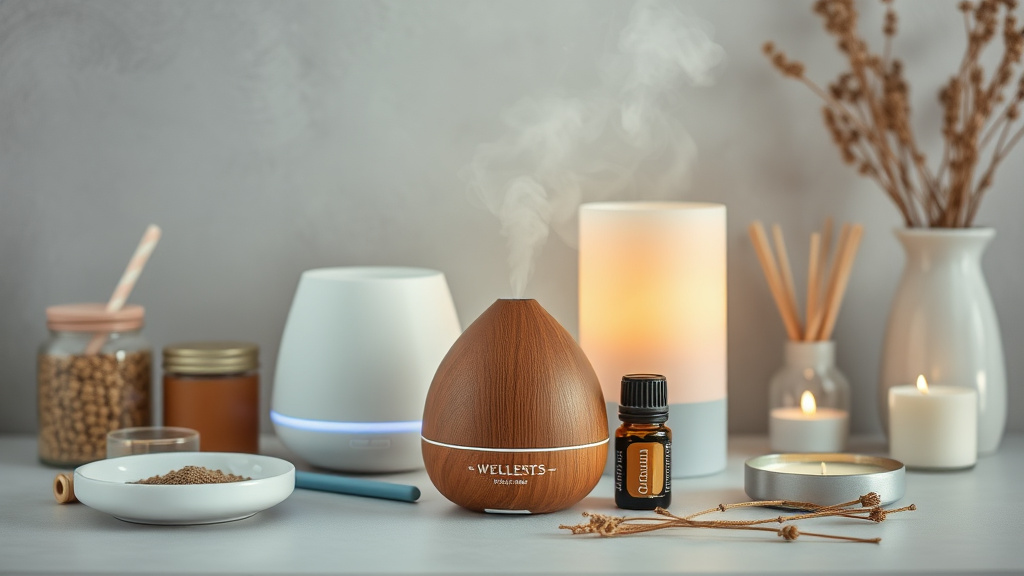
5 Common Diffuser, Essential-Oil Hardware, and Candle-Making Mistakes—and Better Alternatives
Whether you’re just dipping your toe into the world of essential oils or a seasoned candle-maker, the right tools can truly enhance your experience. I’ve spent countless hours testing diffusers, essential-oil hardware, and candle-making gear to figure out not only what works—but what doesn’t. Sometimes, even well-intentioned hardware choices can hinder your enjoyment or safety. Today, I’m sharing five common mistakes I see with diffusers, essential-oil accessories, and candle-making supplies, plus better alternatives that helped me get the most out of my wellness routine.
1. Choosing Ultrasonic Diffusers Without Checking Water Capacity
Mistake: Buying an ultrasonic diffuser solely based on looks or brand hype, without considering the water capacity or run-time.
Many popular ultrasonic diffusers look sleek but have tiny reservoirs—often just 100ml to 150ml—which means frequent refilling if you want continuous scenting. I tested several diffusers that were gorgeous but left me topping off water every 2 hours, interrupting my relaxation.
Better Alternative: Look for diffusers with at least a 300ml water tank for longer, uninterrupted sessions. Models like the InnoGear 300ml Ultrasonic Diffuser run for about 6-8 hours on mist and can fill a medium-size room nicely.
You’ll also want diffusers that automatically shut off when the water runs out—this feature prevents damage and gives peace of mind. The VicTsing 300ml Diffuser offers this safety feature and quiet operation, which I appreciate especially for evening use.
2. Using Plastic Bottles for Essential Oil Storage
Mistake: Storing essential oils in common plastic bottles or using accessories made from non-oil-safe plastic.
Essential oils can degrade plastics over time, potentially contaminating your oils or making them lose potency faster. When I first started, I stored oils in plastic droppers I had on hand, only to notice off smells and cloudiness after a few months.
Better Alternative: Always use dark glass bottles—amber or cobalt blue—that protect oils from UV light and are chemically inert. If you’re transferring oils, glass droppers or roller bottles provide a clean, safe option. I trust the Essential Oil Amber Glass Bottles Set, which comes with a variety of sizes and includes glass droppers.
For diffuser accessories (like pipettes or funnels), ensure they’re made from silicone or glass rather than plastic to avoid any chemical interactions.
3. Overloading Candle Wax with Too Many Fragrance Oils
Mistake: Adding too many drops of fragrance or essential oils to your candle wax.
It’s tempting to pile on scent oils hoping for a stronger fragrance throw, but this can actually cause your candle to burn poorly, with excess smoke or weak scent release. In my early candle-making days, I tried maximizing scent by adding 15-20% fragrance oil by weight, only to find the wax sometimes wouldn’t set correctly and burned unevenly.
Better Alternative: Stick to recommended load rates of 6-10% fragrance oil by weight. This range balances scent intensity with proper wax setting and clean burning. For soy wax, I find 8% is a dependable sweet spot.
The Golden Brands 464 Soy Wax pairs well with most fragrance oils and offers good scent throw when loaded properly.
4. Using Inferior or Non-Approved Candle Wicks
Mistake: Picking candle wicks without matching them to your wax type or candle size, or using cheap, non-prepared wicks.
This often leads to disappointing candle performance—think tunnels down the center, excessive smoking, or flame flare-ups. Besides being a safety concern, this hinders the ambiance candles are meant to create.
Better Alternative: Use wicks specifically designed for your wax and candle dimensions. For example, cotton or hemp wicks treated with stiffening agents burn more steadily in soy wax. If you’re making larger pillar candles, consider braided cotton or wooden wicks, the latter imparting a cozy crackling effect.
I’ve had great results using Ecowicks Pre-Tabbed Candle Wicks, which come in sizes calibrated for standard container candles.
5. Neglecting Diffuser Cleaning and Maintenance
Mistake: Forgetting to clean your diffuser regularly, leading to clogged nozzles, weak mist, or residue buildup.
Oils can leave behind sticky residue or clog ultrasonic plates, diminishing diffuser longevity and even altering scent quality. Admittedly, I was guilty of running my diffusers daily without a good cleaning routine until the mist output declined sharply.
Better Alternative: Clean your diffuser every 3-5 uses by running a solution of water and white vinegar through a full cycle, then rinsing thoroughly. Always unplug before wiping down.
For easier maintenance, consider diffusers with removable water tanks and simple designs—this makes thorough cleaning less of a hassle. The Pure Enrichment MistAire Ultrasonic Diffuser is user-friendly in this regard.
Common Diffuser and Candle-Making Mistakes: At a Glance
| Mistake | Why It’s a Problem | Better Alternative | Recommended Product |
|---|---|---|---|
| Small diffuser water capacity | Frequent refills, interruption of ambiance | 300ml+ diffusers with auto shut-off | InnoGear 300ml Ultrasonic Diffuser |
| Plastic containers for oils | Chemical degradation, loss of potency | Dark glass bottles & droppers | Essential Oil Amber Glass Bottles Set |
| Too much fragrance oil in candles | Poor wax set, uneven burning, smoke | Stick to 6-10% fragrance load | Golden Brands 464 Soy Wax |
| Wrong/unprepared candle wicks | Tunneling, excessive smoke, safety concerns | Size and type-specific pre-tabbed cotton or wooden wicks | Ecowicks Pre-Tabbed Candle Wicks |
| Skipping diffuser cleaning | Reduced mist, residue buildup, shortened diffuser life | Clean regularly with vinegar & water | Pure Enrichment MistAire Diffuser |
Bonus Tip: Experimenting with Essential Oil Blends
While equipment matters, the best diffuser or candle hardware won’t shine without scent blends that resonate with your personal wellness goals. I often recommend starting with classic combos like lavender and eucalyptus for relaxation or citrus and peppermint for invigoration.
Try using a glass roller bottle blend (like this one) to test your favorite essential oils topically before committing them to a diffuser or candle.
FAQ
Q: How often should I clean my ultrasonic diffuser?
A: Cleaning every 3-5 uses is generally recommended to prevent buildup. If you run it daily, once a week is a good maintenance schedule.
Q: Can I use any essential oil in my candle or diffuser?
A: While many essential oils work well, some (like citrus) can affect candle wax curing negatively. Always check sourcing and compatibility before mixing.
Q: Are wooden candle wicks safe?
A: Yes, when properly sized and used in suitable wax types, wooden wicks offer a clean, crackling burn and are safe. Follow manufacturer guidelines.
Q: Can I reuse candle wax scraps?
A: You can melt down leftover wax but be cautious of adding extra fragrance oils or mixing wax types, as it can affect the burn quality.
Q: What diffuser type is best for small bedrooms?
A: Ultrasonic diffusers with a 100-300ml capacity usually suffice for small bedrooms, but look for quiet models with auto shut-off, like the VicTsing 300ml Diffuser.
Making these small adjustments in your diffuser and candle-making setup can transform your ritual from frustrating to effortless. By choosing the right hardware and using it mindfully, you’ll create a wellness ambiance that’s both safe and deeply satisfying. If you want to explore some of my favorite starter gear, check the linked products—they’re the ones I return to over and over.
Happy scenting!
— Jordan