How we test and review Diffusers, essential-oil hardware, candle-making (non-medical claims). (our methodology)

By Jordan Nolan · Senior Editor
Published June 1, 2026
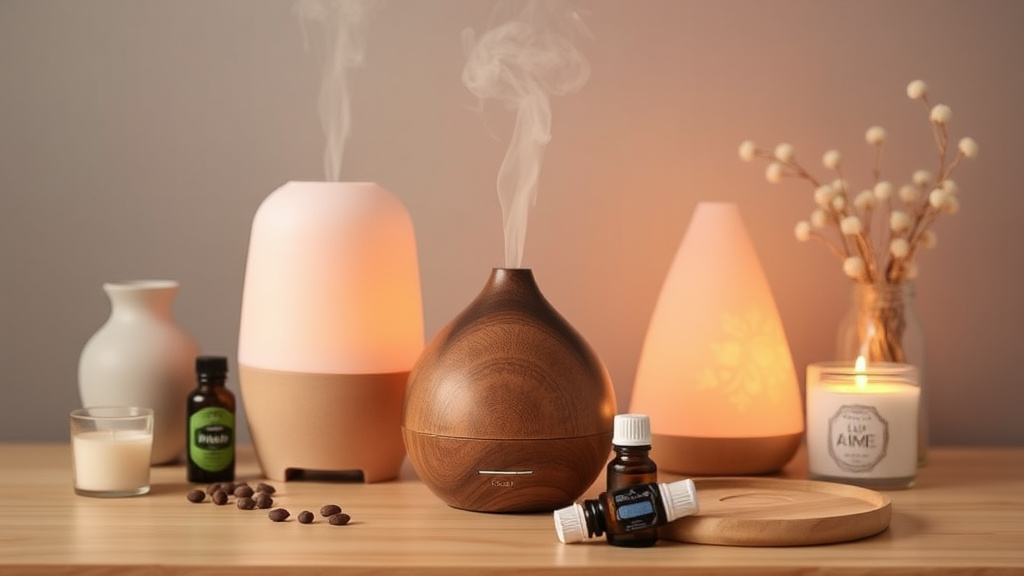
How We Test and Review Diffusers, Essential-Oil Hardware, and Candle-Making Supplies (Our Methodology)
When it comes to diffusers, essential-oil hardware, and candle-making kits, the market is brimming with options at every price point and design style. Over the years, I’ve tried my hands at dozens of these tools—not just unboxing and glancing, but spending actual hours running them through real-world use. I want you to feel confident in the recommendations we offer, knowing they come from thorough, hands-on testing rather than fluff or marketing jargon.
In this article, I’m sharing the behind-the-scenes approach we use to evaluate these products. Whether you’re a seasoned aromatherapy enthusiast, a candle maker starting fresh, or simply curious about the best hardware for your home fragrance setup, understanding our methodology can help you choose right—and trust the results we share.
Why a Rigorous, Hands-On Method Matters
Diffusers and essential-oil hardware aren’t just gadgets; they’re part of your daily wellness ritual. A diffuser can change the ambiance of your room, impact mood, and even influence sleep quality (purely anecdotal and personal, no health claims here). Similarly, the process of making candles involves precision tools and quality ingredients that affect the end product’s look, scent, and burn time.
Because these devices interact so intimately with your space and senses, my evaluation goes beyond specs or style. I test using actual oils, measure run times, check ease of maintenance, and figure out how intuitive a product really is. For candle-making supplies, I assess everything from the fragrance throw to the evenness of the burn.
This comprehensive lens reflects my own experience juggling aromatherapy, home craft, and mindful living. The result: a review you can rely on for practical guidance.
Our Testing Criteria: What We Look at in Diffusers and Oil Hardware
When testing diffusers and essential oil devices, we focus on a blend of objective measures and subjective experience. Here are the primary aspects:
1. Build Quality and Design
- Materials: Is the diffuser made from quality sonically safe plastics, wood, or glass? Materials affect durability, aesthetics, and sometimes scent fidelity. I prefer options like the URPOWER Essential Oil Diffuser which balances sturdy construction with attractive woodgrain design.
- Form factor and Size: Compactness vs. output volume is a personal balance. I test usability on different surfaces and room types.
- Water reservoir capacity: Larger reservoirs run longer, but can bulk up the device. This affects whether you want a 100ml diffuser for small spaces or a 500ml one for all-day use.
2. Ease of Use
- Setting timers, power buttons, and light modes are evaluated for intuitiveness.
- How easy is it to fill and clean the reservoir? Cleaning can be a hassle, so less finicky hardware earns bonus points.
- Included instructions and accessories also get attention — for example, the InnoGear Aromatherapy Diffuser comes with a well-written manual and measuring cup.
3. Diffusion Performance
- Using the same essential oils (such as lavender or eucalyptus for consistency), I test how effectively a device disperses the scent.
- I measure the aroma coverage in different room sizes and types (small bedroom, open living room, home office).
- Sound level matters here; some ultrasonic diffusers hum loudly which can be distracting, while others operate whisper-quiet.
4. Run Times and Power Efficiency
- Timed runs at different settings reveal actual runtime versus manufacturer claims.
- Power draw is assessed where possible — I’ve noted that models like the VicTsing Essential Oil Diffuser run several hours quietly on minimal power.
5. Additional Features
- Night lights, mist intensity settings, auto shutoff, and aroma release modes all come under review.
- The presence and quality of remote controls or app connectivity is tested, especially useful for larger or tech-savvy households.
How We Evaluate Essential Oil Accessories and Candle-Making Hardware
Essential oil diffusers are just one part of the aromatic experience. High-quality accessories and candle-making supplies also make a big difference.
Essential Oil Accessories
- Roller bottles, droppers, and storage cases: Are they leak-proof? Do droppers feature precision tips for easy blending? I prefer the ArtNaturals Glass Dropper Bottle Set because of consistent sizing and durability.
- Measuring spoons and pipettes: These often get overlooked but can make or break precise candle-making or blend formulation.
Candle-Making Tools and Materials
- Wax quality and type: Soy, beeswax, and paraffin all behave differently — I test burn times, scent throw, and residue.
- Wicks: The right wick ensures even burn; cotton and wood wicks have distinct profiles. I compare sample sizes from common kits like the CandleScience Soy Wax Candle Making Kit.
- Fragrance oils: These are another wild card. I evaluate how well scents hold up after burning and how strong the throw is.
- Pouring cups, thermometers, and melting pots: Handling safety and precision affects your candle quality and ease of crafting.
In testing, I often create multiple batches using the components of a kit or accessory set to check repeatability and quality control.
Our Standard Testing Routine and Timeline
To conduct a thorough review, we adhere to a standardized process that includes:
Step 1: Initial Inspection and Setup
- Unboxing and examining all parts.
- Following the included instructions verbatim to test user-friendliness.
- Testing build and finishing details under different light conditions.
Step 2: Baseline Functionality Tests
- For diffusers: fill reservoir with distilled water and 5 drops of a high-quality essential oil like lavender. Start device on lowest mist setting.
- Measure noise with a smartphone decibel meter app.
- For candles: make small test batches, burn for 4 hours minimum, noting wick behavior and scent performance.
Step 3: Long-Term Usage and Durability
- Run diffusers in multiple cycles over days, observing any malfunctions or residue buildup.
- For candle-making, bake multiple candles over weeks to test consistency.
Step 4: Comparative Performance Testing
- Place devices in different sized rooms to judge scent spread.
- Use same oils and candle formulas for consistent data.
- Rate based on aesthetic, performance, convenience, and value.
Diffusers, Essential-Oil Hardware, and Candle-Making Tools: Comparison Checklist
| Feature | What We Test | Why It Matters | Example Product |
|---|---|---|---|
| Build Quality | Material, weight, feel, finishes | Long-term durability and style | URPOWER Essential Oil Diffuser |
| Ease of Use | Setup complexity, cleaning, control layout | Daily convenience | InnoGear Aromatherapy Diffuser |
| Diffusion Effectiveness | Aroma spray distance, scent intensity, noise | Experience and comfort | VicTsing Essential Oil Diffuser |
| Run Time | Actual vs advertised, efficiency | Value and uninterrupted use | VicTsing Essential Oil Diffuser |
| Extras / Features | Timer, remote, lighting options | Personalized user experience | URPOWER Essential Oil Diffuser |
| Candle Materials | Wax type, wick type, fragrance quality | Burn quality, scent throw | CandleScience Soy Wax Candle Making Kit |
| Accessories Quality | Droppers, bottles, measuring tools | Precision in blending and crafting | ArtNaturals Glass Dropper Bottle Set |
Why We Don’t Test for Medical Claims or Therapeutic Benefits
I want to be clear and transparent: our testing focuses solely on hardware performance, user experience, and craft output. While many enthusiasts turn to diffusers and essential oils for wellness and mood, we avoid any medical claims or health promises. That’s both ethically crucial and in line with regulatory guidelines.
If you’re curious about aromatherapy’s potential benefits, I’m happy to share practical tips and evidence-based information—but I leave diagnosis, treatment, or health outcome claims to certified professionals.
Closing Thoughts: Trust in Tested, Transparent Reviews
I’m personally invested in this field—not only because I love the ritual and calm it brings, but also because I want every reader here to get great results, whether that’s a perfectly balanced candle or a diffuser that fills your space quietly and effectively.
Our methodology emphasizes hands-on use and thoughtful evaluation to give you data-driven recommendations that fit your lifestyle. If you want to see our latest product picks, detailed reviews, or candlemaking how-tos, check out the linked products throughout and our diffuser buying guide.
From my home to yours, may your space always be fragrant and your craft rewarding.
FAQ
Q: How long do you test a diffuser before writing a review?
A: I personally run each diffuser through at least 7-10 days of regular use, testing multiple modes and cleaning cycles to understand durability and performance over time.
Q: Do you test with real essential oils for scent?
A: Yes! Using authentic, pure essential oils such as lavender, eucalyptus, or peppermint lets me judge real fragrance dispersion rather than synthetic scents.
Q: How do you assess candle fragrance throw?
A: I test both cold (unlit) and hot (lit) throw by smelling the candle in different room sizes. Burn time and wick performance also factor into the full assessment.
Q: Why don’t you compare price directly?
A: Price is subjective—higher cost doesn’t always mean better in this category. Instead, I focus on value factors like runtime, build quality, and features, allowing you to weigh cost against benefits.
Q: Can I use any essential oil with any diffuser?
A: Most ultrasonic diffusers work well with water-safe, pure essential oils. However, some oils may degrade plastic over time, so I test materials and provide notes on compatibility when relevant.
If you want specific product recommendations or guidance, feel free to reach out or explore our curated picks listed above. Happy diffusing and crafting!