Diffusers, essential-oil hardware, candle-making (non-medical claims). maintenance — make gear last longer

By Jordan Nolan · Senior Editor
Published June 1, 2026
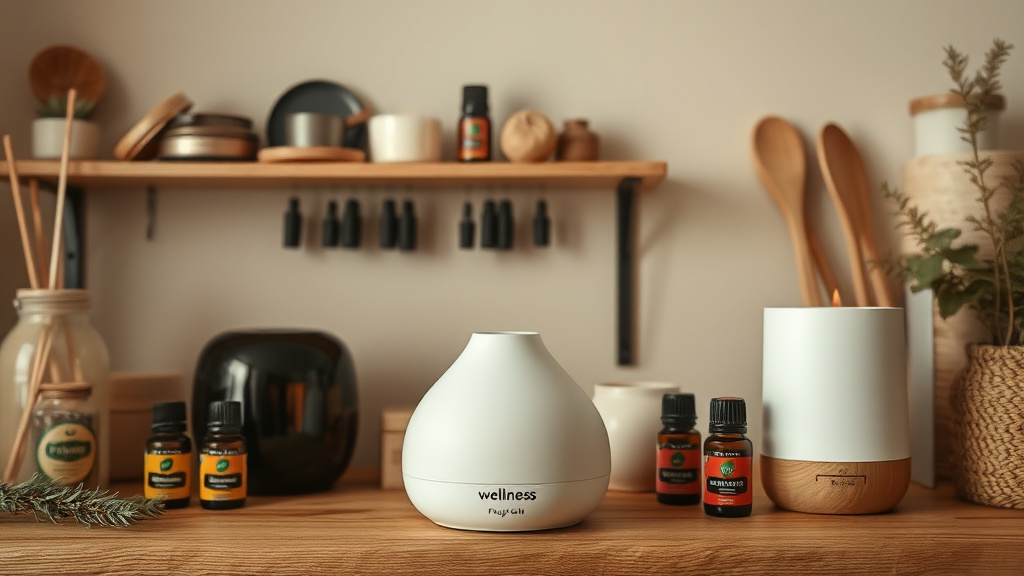
How to Maintain Diffusers, Essential-Oil Gear, and Candle-Making Tools for Long-Lasting Use
If you’re anything like me, creating a cozy wellness ritual with essential oils and candle-making isn’t just a hobby—it’s a tiny escape for your mind and senses. But all that joy requires tools that perform well and last as long as possible. I’ve spent countless hours cleaning, troubleshooting, and experimenting with diffusers, essential-oil hardware, and candle-making equipment to make sure every drop of oil, every flicker of the wick, and every mist of vapor stays just right.
Maintaining your gear not only extends its lifespan but also keeps your home smelling fresh and your rituals safe. Whether you prefer ultrasonic diffusers, nebulizers, or classic wax melters, plus the jars, wicks, and melting pots that come with candle-making, I’m here to share what I’ve learned. In this guide, we’ll dig into the best maintenance habits and practical tips, so your essential-oil and candle tools serve you beautifully for years to come.
Why Maintenance Matters for Diffusers and Candle-Making Equipment
Essential oils and candle-making materials are often delicate. Diffusers, for example, rely on precise mechanics to disperse oils effectively, while candle tools deal with heat and wax buildup. Neglecting proper care can lead to:
- Reduced diffusion quality: Oils don’t disperse evenly, meaning you get a weaker scent or, worse, a burnt plastic smell.
- Clogged or damaged parts: Mineral deposits and wax residue can clog nozzles or coat inner surfaces.
- Safety hazards: Overheated components or dirty electrical contacts increase risk.
- Shortened device lifespan: Preventable breakdowns lead to premature replacements.
I’ve found that routine cleaning and some occasional deep upkeep keep these issues at bay—and they don’t usually take more than a few minutes. Think of it as a wellness investment for both your time and money.
Keeping Ultrasonic and Nebulizing Diffusers Running Smoothly
Ultrasonic diffusers and nebulizers are popular options for scenting a space without heat, preserving the integrity of your essential oils. Here’s how I maintain them:
Daily Wipe-Down and Water Care
Always empty the water tank and give it a quick rinse after each use. Stagnant water invites bacteria and can cause buildup. Use a soft cloth to dry the inside.
Weekly Deep Cleaning
Every week or after about 10-15 uses, I clean the diffuser with a gentle vinegar solution:
- Fill the tank halfway with clean water.
- Add a teaspoon of white vinegar.
- Run the diffuser for 5-10 minutes.
- Empty and rinse thoroughly.
- Wipe the ultrasonic plate gently with a cotton swab soaked in vinegar.
This breaks down mineral deposits and keeps the mist fine and consistent.
Avoid Harsh Chemicals and Oils
Certain essential oils (like cinnamon or clove) can be tough on plastics and seals. I rotate these oils with gentler options, and clean the unit more often if using thicker oils.
For a recommendation, the InnoGear Essential Oil Diffuser offers a sturdy build and easy-to-clean water tank that makes maintenance straightforward.
Tips for Nebulizers
Nebulizing diffusers use no water, atomizing pure essential oil. While they require less frequent cleaning, be sure to:
- Clean glass reservoirs with alcohol wipes.
- Avoid pouring oils down the drain after cleaning; use a drop cloth or cotton to collect excess oil.
- Check and clean nozzles to prevent clogging.
I favor the Organic Aromas Raindrop Nebulizing Diffuser for its glass craftsmanship and accessible cleaning parts.
Caring for Essential-Oil Hardware: Bottles, Droppers, and Storage
Beyond diffusers, the containers holding your precious oils impact quality over time.
Store Oils Properly
Essential oils are sensitive to light and heat, which accelerate oxidation. Keep oils in dark glass bottles, ideally amber or cobalt blue, like those from Plant Therapy’s Amber Glass Bottles Kit. Store in a cool, dry place away from sunlight.
Clean Droppers and Caps
Oil residue can accumulate on droppers and caps, leading to contamination or sticky messes. Clean droppers regularly by:
- Rinsing in warm soapy water.
- Using a small brush if needed.
- Allow drying fully before reassembling.
If you have appointments with various oils, consider labeling bottles to avoid mix-ups that could impact scent quality or cause an allergic reaction in others.
Maintaining Candle-Making Gear: Melting Pots, Wicks, and Jars
Whether candles are your craft or part of your cozy corner, maintaining your candle-making equipment keeps your burn time predictable and your scents true.
Clean Melting Pots and Double Boilers
Wax residue builds up quickly and can scorch if ignored. I recommend:
- Cooling wax completely before cleaning.
- Using boiling water in the melting pot to soften wax for wiping.
- Using paper towels to absorb softened wax.
- Avoiding abrasive scrubbers that can scratch metal surfaces — essential for items like the CandleScience Pouring Pot.
If hardened wax is stubborn, refreeze the pot and chip the wax out carefully.
Replace and Maintain Wicks
Wicks influence how your candle burns and scents your space.
- Trim wicks to ¼ inch before each use.
- Store wicks in airtight bags to prevent contamination or moisture absorption.
- When purchasing pre-made wicks, ensure they are the right size and material for your wax type. For example, cotton wicks work well with soy wax, while wooden wicks offer a rustic crackle but need different handling.
I’ve had great results with the Tecsuso Cotton Candle Wicks because of their even burn and consistent quality.
Clean Candle Jars or Containers
Reuse candle jars? Clean residual wax by:
- Freezing jars to pop wax out.
- Soaking jars in hot, soapy water.
- Rubbing with oil or alcohol to remove stubborn scents or residue.
Storage and General Care Tips for Longevity
Proper storage of your gear can prevent many common issues.
- Store diffusers in dust-free spots to prevent clogging or dust getting onto nozzles.
- Keep cords untangled and handle plugs carefully to avoid fraying.
- For candles, avoid exposure to sunlight, which can fade colors and scents.
- Use protective mats for candle-spill prevention during burning and making.
- For larger acts of maintenance, consult user manuals or manufacturer instructions when available. It’s surprising how nuanced some models can be.
Summary Comparison and Maintenance Checklist
| Equipment Type | Maintenance Frequency | Key Maintenance Steps | Recommended Products |
|---|---|---|---|
| Ultrasonic Diffusers | After each use & weekly | Empty water, rinse, vinegar clean, wipe ultrasonic plate | InnoGear Diffuser |
| Nebulizing Diffusers | Weekly or biweekly | Clean glass reservoirs with alcohol, check nozzles | Organic Aromas Raindrop |
| Essential-Oil Bottles | Store cool & dark | Clean droppers, label bottles | Plant Therapy Amber Bottles |
| Candle Melting Pots | After every use | Remove wax residue, avoid scratching | CandleScience Pouring Pot |
| Wicks | Before each candle use | Trim to ¼ inch, store dry | Tecsuso Cotton Wicks |
| Candle Jars | Before reuse | Freeze wax off, soak containers | — |
FAQ
How often should I clean my diffuser?
For ultrasonic diffusers, I recommend rinsing and emptying after every use and doing a thorough vinegar clean weekly or after 15 sessions. Nebulizers can be cleaned less frequently—roughly every 2 weeks depending on usage.
Can I use any essential oil in my diffuser?
Most essential oils are safe, but some thick or resinous oils (e.g., cinnamon, clove) can clog diffusers and degrade seals faster. Rotating oils and cleaning your diffuser more often can help mitigate buildup.
What’s the safest way to clean wax from melting pots?
Allow the wax to cool fully before attempting removal. Then, freeze the container and chip out the wax, or soften with hot water and wipe clean with paper towels. Avoid scraping with metal tools to prevent damage.
How do I know when a wick needs to be replaced?
If the wick consistently smokes excessively, curls over, or causes uneven burning, it may be time to replace it. Also, if it’s been contaminated with wax additives or unevenly trimmed, start fresh with a new wick.
Can I reuse candle jars safely?
Yes, provided you thoroughly clean out wax residue and old scent oils. Freezing helps pop out hardened wax, and soaking with hot soapy water removes leftover oils. Always inspect the container for cracks or damage before reuse.
By keeping up with these maintenance tips, your essential oil diffusers and candle-making gear will continue to bring you comfort and calm for many scent-filled sessions. Remember, a little care goes a long way in preserving the pure, welcoming atmosphere you create at home.